
Popcornflix
 34.2k
34.2k
 55.6k
55.6k
 83.3k
83.3k
 70.1k
70.1k
 23.6k
23.6k

PopcornFlix – Watch Free Movies and TV Show Online, No Sign-up
Welcome to PopcornFlix! Get ready to dive into a world of free movies and TV series available instantly, with no sign-up required. PopcornFlix is your go-to destination for a diverse selection of entertainment—from timeless classics and acclaimed indie gems to action-packed blockbusters and hilarious comedies. With an easy-to-navigate interface and high-quality streaming options, you can enjoy your favorite films and shows anytime, anywhere. Sit back, grab your popcorn, and start exploring hundreds of titles—all without the hassle of subscriptions or hidden fees. Your next movie night starts right here with PopcornFlix!
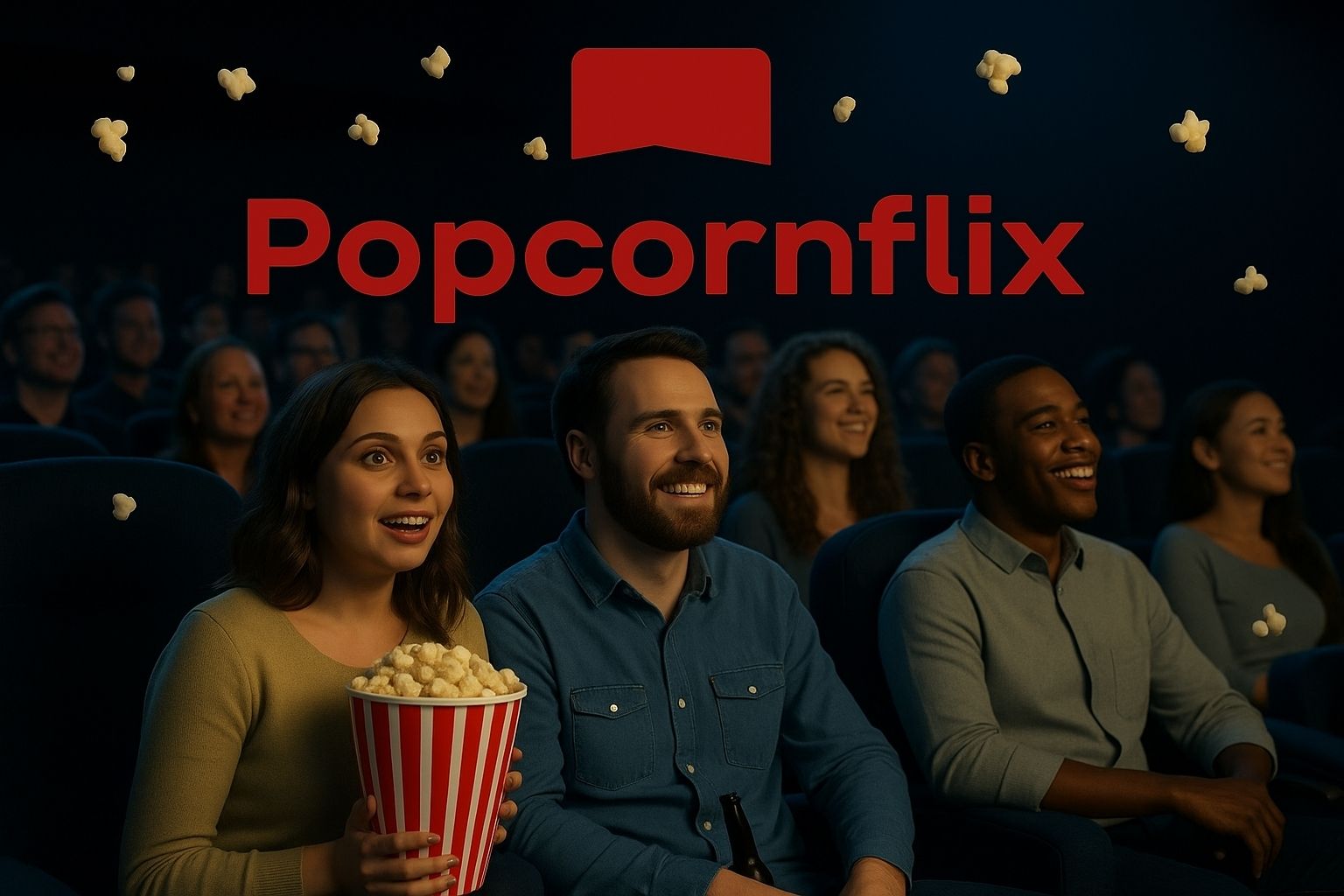
Everything You Need to Know Before Using PopcornFlix
For movie and TV lovers seeking a cost-free way to enjoy entertainment, PopcornFlix was once among the top names in free streaming. This platform attracted millions of users globally who were looking for quick, instant access to movies and TV series online without the need to register or pay any fees. PopcornFlix became especially popular for those looking for an alternative to costly subscription-based streaming services. Its simple interface, wide selection, and lack of sign-up requirements set it apart, making streaming accessible to just about anyone with an internet connection. Before using PopcornFlix, users had to consider not only the service’s benefits but also potential legal and security concerns, which are inherent to ad-supported, free streaming platforms.
What is PopcornFlix and How Does It Work?
PopcornFlix launched as a free, ad-supported streaming platform under the ownership of Chicken Soup for the Soul Entertainment. Operating legally, PopcornFlix carried hundreds of fully licensed movies, series, and original programs. The core of its appeal lay in pure accessibility: users did not need to create any kind of account or hand over personal data to begin watching. All it took was visiting the website or launching the app on iOS, Android, Roku, Amazon Fire, or smart TV platforms, and users could instantly begin streaming content for free. The viewing experience was supported by short ad breaks, similar to broadcast TV, which allowed the service to remain free for audiences. PopcornFlix’s intuitive interface let users browse by genre, popularity, and release date, keeping the process simple and user-friendly. As a result, it drew audiences from over 60 countries around the world, making it a truly accessible streaming option for global entertainment fans.
Top 5 Highest Viewed Movies
- The Naked Gun: From the Files of Police Squad! – A classic spoof comedy loved by fans for years.
- The Blues Brothers – Another cult classic that resonated with both new and returning viewers.
- Back to the Future – The timeless sci-fi adventure always drew large crowds to the platform.
- Wayne’s World – The zany humor and quotable lines kept it on the platform’s trending lists.
- Shaun of the Dead – A fan-favorite blending horror and comedy, proving especially popular during seasonal events.
These titles exemplified the range offered on PopcornFlix — blending comedy, sci-fi, action, and cult classics for maximum audience appeal.
Key Features of PopcornFlix
Free streaming:
At the heart of PopcornFlix’s business model was the promise of truly free streaming. Movies and TV shows were available to watch at no cost, supported by intermittent ads. Users could dip in and out as they pleased, with no monetary barriers or paid tiers restricting access.
Extensive library:
The site boasted thousands of titles spanning multiple decades, cultures, and film industries. From the biggest Hollywood blockbusters of the '80s and '90s, to indie treasures and hidden gems, users enjoyed a deep catalog for nearly every preference. PopcornFlix also offered its own “PopcornFlix Originals” — web series and unique content exclusive to the platform — in addition to hits from major studios.
User-friendly interface:
Navigating PopcornFlix was simple and straightforward. Its clean interface allowed users to sort by genre, release year, or popularity. With prominent search features and clearly labeled menus, even first-time users could find and play content within seconds.
Multiple genres:
Viewers could select from a broad spectrum of genres: action, horror, comedy, romance, science fiction, mystery, family, drama, and more. This genre diversity made PopcornFlix suitable for families, film buffs, and casual viewers alike.
High-quality video:
Despite its free model, PopcornFlix offered many titles in HD quality. The streaming experience generally matched that of paid competitors, with crisp audio and video for supported devices and connections.
Legal and Security Risks of Using PopcornFlix
Legal Risks
PopcornFlix differentiated itself by operating as a legitimate, licensed streaming service in most regions where it was available. However, as with all streaming platforms, it faced legal scrutiny around content rights and licensing agreements. In some cases, particular titles were removed or region-locked due to expired licenses. The streaming ecosystem’s volatility was highlighted when Chicken Soup for the Soul Entertainment, PopcornFlix’s parent company, filed for Chapter 7 bankruptcy in 2024. This development resulted in sudden service interruptions, loss of content, and ultimately, a platform shutdown.
Security Risks
Although PopcornFlix was reputable compared to many “free movie” sites, some risks persisted. The platform experienced data security incidents, such as a minor breach in early 2024 involving user email addresses. Being ad-supported, it sometimes displayed intrusive ads, which could carry potential malware or redirect users if clicked accidentally. Users were also cautioned against sharing sensitive information and were encouraged to use up-to-date browsers or security software for safe browsing.
Advantages of Using PopcornFlix
Cost-Effective Entertainment
PopcornFlix gave viewers all the financial benefits of free streaming. There were no subscription fees, rental charges, or hidden costs. Anyone could enjoy an unlimited number of movies or TV episodes without spending a dime, making PopcornFlix particularly appealing for students, families, or those trying to cut costs.
Wide Range of Content
The diversity of its library — from cult classics, lesser-known indie films, to recent TV series — provided something for every taste and age group. Being able to discover older movies or forgotten series gave PopcornFlix unique appeal compared to most modern-paid competitors.
No Account Needed
A significant draw of PopcornFlix was that it imposed no account or sign-up requirement. Users could access content immediately, without sharing personal details or worrying about email spam or targeted marketing. This approach protected user privacy to a certain extent, even though ads were present.
What Happened to PopcornFlix?
In 2024, PopcornFlix met an unfortunate fate when Chicken Soup for the Soul Entertainment entered bankruptcy and underwent liquidation. This resulted in the sudden discontinuation of all its properties, including PopcornFlix. Early indications included technical glitches, streaming stoppages after advertisements, and growing reports of server outages across devices. By mid-2024, PopcornFlix ceased operations entirely, marking the end of an era for one of the pioneering free, ad-supported on-demand streaming services.
Legal Alternatives to PopcornFlix
| Service | Free Access | Registration | HD Streaming | Device Support | Ads |
|---|---|---|---|---|---|
| Tubi | Yes | No | Yes | Smart TV, Mobile | Yes |
| Crackle | Yes | No | Yes | TV, Web, Mobile | Yes |
| Plex | Yes | No | Yes | Multi-device | Yes |
| Vudu | Yes (limited) | No | Yes | TV, Mobile | Yes |
| Pluto TV | Yes | No | Yes | TV, Web, Mobile | Yes |
| Netflix | No | Yes | Yes | All devices | No |
These platforms, while free and ad-supported, are licensed and continue to grow, offering legal, diverse content without the risks associated with piracy.
PopcornFlix TV Streaming
The Increasing Demand for Free Streaming Services
As inflation and economic pressures continue globally, viewers turn increasingly toward free services to satisfy entertainment needs. The explosive growth of free ad-supported streaming platforms like PopcornFlix, Tubi, and Pluto TV reflects wider trends such as cord-cutting and the rejection of expensive monthly subscriptions. These services help democratize entertainment access, especially as the demand for easily accessible content rises in both urban and rural markets.
HDToday's Contribution to Streaming in the Future
Innovative platforms such as HDToday experiment with new models blending free streaming with high-quality content and more interactive advertising experiences. These services face challenges regarding legitimacy and long-term financial sustainability, but they help shape consumer expectations about convenience, value, and delivery quality.
Free Streaming’s Role in Developing Markets
In emerging economies, access to paid content is often cost-prohibitive. Free streaming services bridge the digital divide by offering culturally relevant, international, and dubbed content to users previously underserved by major networks. As internet infrastructure improves, these platforms become primary sources of entertainment and information.
The Threats of Piracy and its Hazards to the Streaming Universe
While free, legal platforms strive to offer safe alternatives, piracy remains widespread, especially in regions with limited legal options. Pirated sites can expose users to malware, fraud, and unreliable service, while also financially damaging creators and legal distributors. Responsible platforms like PopcornFlix helped suppress this problem—but their shutdown leaves a gap that might be filled by riskier alternatives.
Technology's Role in the Future of Free Streaming
Technology remains a crucial driver in shaping the future of free streaming. Advancements in adaptive streaming, improved video compression, AI-powered content curation, and more targeted ad delivery all contribute to better user experiences. Cross-platform support—enabling users to start on one device and finish on another—has become standard. Security features, like better ad screening and digital rights management, continue to protect user data and maintain compliance with complex licensing deals.
The Change in Consumer Sentiment
Today’s consumers are better informed, more privacy-conscious, and less tolerant of intrusive ads or poor content curation. There’s a growing demand for ad transparency, fewer interruptions, and more control over personal data. The shutdown of PopcornFlix is emblematic of these shifting sentiments, where users are quick to migrate to competing platforms that cater to their evolving expectations for convenience, choice, and security.
FAQs
Is PopcornFlix free?
PopcornFlix was entirely free to use, providing movies and series supported solely by advertising revenue.
What is PopcornFlix official?
The official PopcornFlix service was managed by Chicken Soup for the Soul Entertainment and could be accessed through the official website and apps when operational.
Is PopcornFlix on Amazon Prime Video?
No, PopcornFlix operated as an independent streaming service and was not a part of Amazon Prime Video.
Where can I watch PopcornFlix?
When it was live, PopcornFlix was available through the official website, as well as apps for iOS, Android, Amazon Fire, Roku, Apple TV, and various smart TVs.
Why is PopcornFlix so popular?
Its popularity stemmed from its free, instant access to a large content library, with no need for sign-up or long-term commitments.
Is PopcornFlix a good streaming service?
PopcornFlix was praised for its convenience and wide selection. However, some users disliked the frequency of ads and noted that many movies were older or not as current as those on paid competitors.
What original shows are on PopcornFlix?
PopcornFlix featured its own “Film School Originals” and a variety of indie series, alongside a rotating collection of cult favorites and lesser-known gems.
Can I watch PopcornFlix on my smartphone or tablet?
Yes—PopcornFlix offered apps for smartphones and tablets, ensuring mobile users could stream content anywhere.
Does PopcornFlix offer HD streaming quality?
Many titles on PopcornFlix were available in high-definition, delivering a modern, crisp viewing experience.
How to Use PopcornFlix Safely?
Always access the platform via its official app or website. Avoid clicking on suspicious ads, keep your device security software updated, and never provide personal or payment information when using a free, ad-supported service.
How does PopcornFlix compare to other services?
Compared to other free streaming platforms, PopcornFlix excelled in its simplicity and selection of classic and indie titles. However, paid services—such as Netflix, Disney+, or Amazon Prime Video—offered more recent releases and exclusive originals.
Can I download movies from PopcornFlix?
PopcornFlix’s primary model was online streaming. Download options may have been limited or absent; always review official app features for specifics.
Conclusion
PopcornFlix was more than just a free streaming site – it represented a shift toward more open, accessible, and flexible entertainment, leaving a lasting mark on the on-demand media landscape. While its closure signaled the difficulties facing ad-supported streaming, its legacy continues to impact how companies and audiences approach free content, legal streaming, and digital privacy. For millions, PopcornFlix was not just a source of entertainment, but a gateway into a broader world of movies and series, helping to shape the future of streaming for everyone.